
Happy as a sunflower on a sunny day, our latest LomoApparat camera is a technicolor dream, crafted in collaboration with talented Thai artist, Fluffy Omelet. Catapulting us straight into her whimsical wonderland, her lively artwork adorns our film friend with the hues of a carefree summer!


Explore Our Films
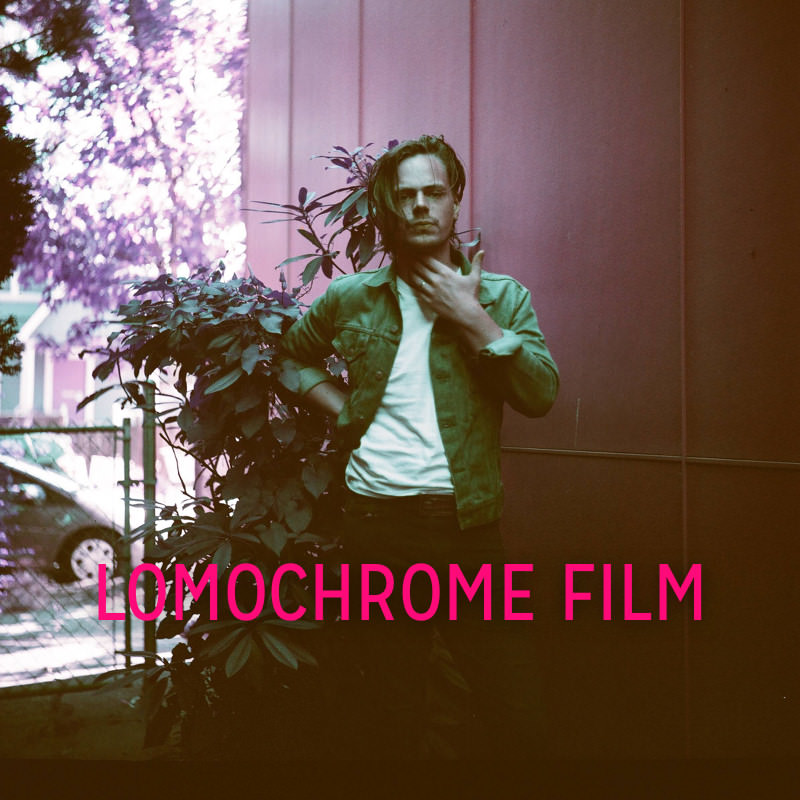
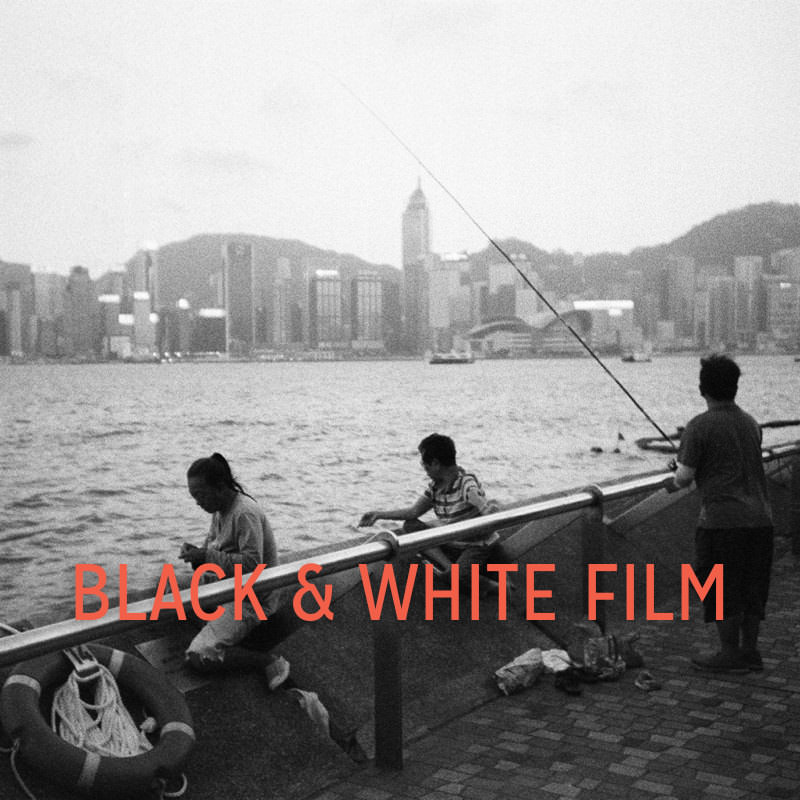
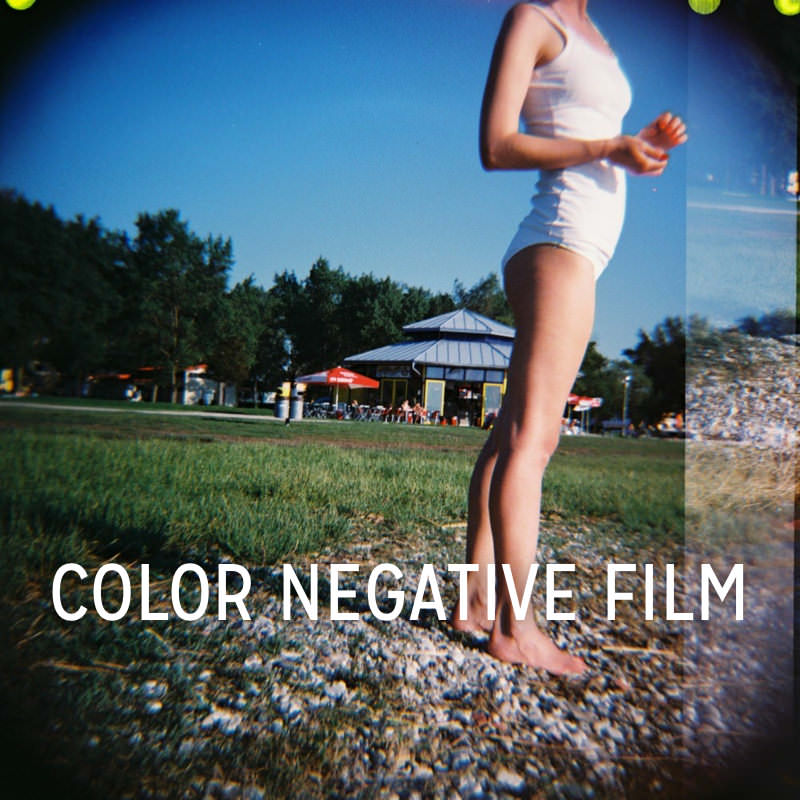
No matter if you are looking for 35 mm, 120 Medium Format, 110 or Instant Film, there’s a roll waiting for you!
Some Interesting Things
What are you looking for?
If you’ve been around for a while: join the conversation in our Shoutbox, take a look at the ongoing Competitions or browse through all Homes.
Lomo School
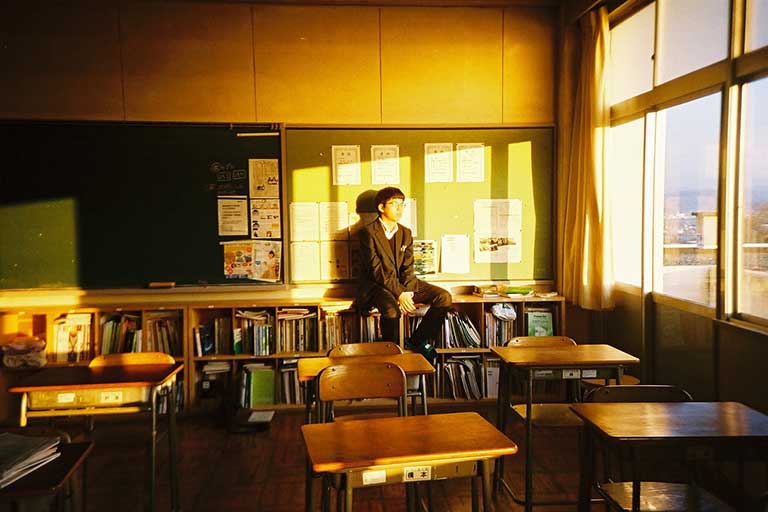
Forget about stuffy classrooms with chewing gum on the seats, welcome to the most exciting school you’ve ever been to! Learn everything from the analogue basics to advanced experimental techniques with these photography courses.
Lomography Store Locator
Whether on holiday or at home, Lomography is never far away. Wherever you are in the world, find your closest Lomography stockist and explore what analogue goodies they supply.
-
Around the World in Analogue: Bhutan
written by sylvann on 2024-04-09 #culture #people #places
Lomographer Jaclyn (@lomographer_to_be) shares her exceptional experience travelling to Bhutan and getting to know its culture and people in this edition of Around the World in Analogue.
2 9 Share Tweet -
What is a multiple exposure?
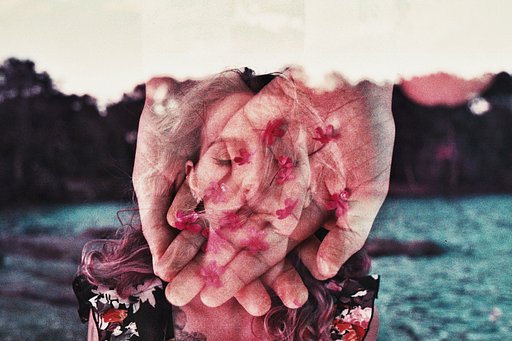
Multiple exposures (or MX) are photographs in which two or more images are superimposed in a single frame, and they’re super easy to create using your analogue camera. Set an image of a train against a field of flowers, or prop your friend’s face against an image of a city skyline to create enchanting and surreal images.
-
Shop News
Get groovy with the funky Fisheye No. 2 Grape Jam

This camera is your ticket to a wild ride of untamed imagination and boundless creativity, capture mind-blowing, jaw-dropping, out-of-this-world spherical snaps that’ll leave you spinning like a turbocharged vinyl record!
Ongoing Competitions
-
Shannon Lloyd Explores Medium Format Photography with the Diana F+
written by ludovicazen on 2024-04-06 #gear
Experimental photographer Shannon Lloyd said that shooting with the Diana F+ is a "pretty unique experience" after using it for the first time with our medium format films. Let's find out why!
3 Share Tweet Most Popular Films
-
Finnish Photographer and Youtuber Ari Jaaksi Tests Our Lomomatic 110 Camera
written by lomocato on 2024-04-17 #gear #people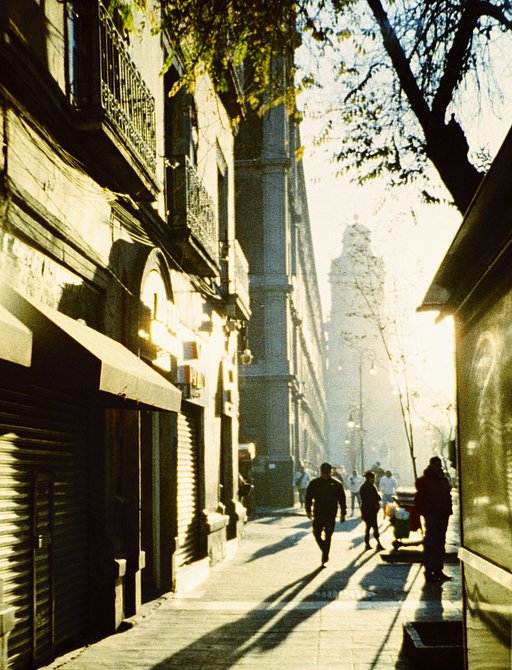
We sent our new Lomomatic 110 to Finland-based photographer and YouTuber Ari Jaaksi, who is here today to showcase his results and experiences! He created an honest review of the camera for his YouTube channel and shares his first 110 film shots with us.
10 Share Tweet -
Shop News
Shoot ultra-vibrant photos with the premium Minigon XL glass lens

Compact, pocket-sized and robust. With the LC-A 120 medium format camera you can indulge in deep saturation, punchy contrast and shadowy vignettes. You´ll love the LC-A+s program exposure on medium format!
Open Positions at Lomography
- Marketing Volontariat Austria, Germany & Switzerland (m/f/x - Internship)
- Wholesale Marketing Internship - DACH market (Germany, Austria, Switzerland)
- International Marketing Traineeship
- Wholesales Marketing Trainee
- Online Marketing & Retail Internship Spain (HQ Vienna, Austria)
- Graphic Design Intern (m/f/x)
- Finance & Administration Executive (Manila)
- E-Commerce & Shop Assistant – Manila
- Wholesale Marketing Internship - Australian Market
- Wholesale Marketing Internship - Indian Market
-
Simone Savo's First Impressions of the Lomomatic 110 Camera
written by melissaperitore on 2024-04-09 #gear #people
Simone Savo recently tested our brand new Lomomatic 110 camera thoroughly and rediscovered his fascination of this format. Let's see his photos and read about his first impressions!
3 Share Tweet -
Kurtis Ehnle: Turning Mexico Into a Dreamland on LomoChrome Turquoise
written by alexa_alexiades on 2024-04-08 #people #places
Photographer Kurtis Ehnle travelled to Cancún, Mexico, equipped with LomoChrome Turquoise film in both 120 and 35 mm formats, turning an already vibrant place into a colorful dreamland.
11 Share Tweet -
Your Quick Guide to Analogue Photography
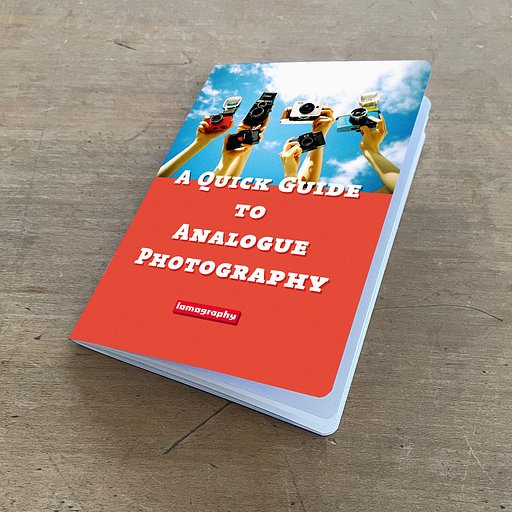
Don’t know your 35 mm from your 110? Never heard of medium format? Confused about cross-processing? This guide gives a brief overview of everything analogue and you’ll be an expert in no time! Get a head start with film photography with our downloadable 12-page PDF guide.
Our great community members have uploaded 16,721,435 photos so far. Browse all of them or search by tags, countries, cities, cameras or films. Be a part of it and add your photos as well!






More Interesting Things
-
Synesthesia #13: Imagined Album Covers on Instant Film
written by rocket_fries0036 on 2024-04-19 #gear #culture #people
For this edition of Synesthesia, we highlight the community's instant photos with music selections including Asian Indie Rock, 80s Synth Pop, introspective jazz and world music hits.
1 Share Tweet Most Popular Cameras
-
Yaotomi Camera Store in Osaka Revisits 120 Format With the Diana F+
written by kota_97 on 2024-04-14 #gear #places #partners
As part of our mission to save 120 film we invited our partners from Yaotomi in Osaka to shoot with the Diana F+ and share their experience with us. Check out their results and read their advice for other photographers using the Diana F+ for the first time.
2 5 Share Tweet Most Popular Tags
- 35mm
- summer
- xpro
- kodak
- lomo
- lomography
- film
- friends
- x-pro
- city
- nature
- color
- beach
- lc-a
- b&w
- expired
- street
- fun
- travel
- people
- fuji
- winter
- cross
- lca
- sea
- redscale
- canon
- diana
- doubles
- trip
- analog
- fisheye
- bw
- sun
- spring
- double
- portrait
- party
- black
- holga
- white
- sky
- slide
- holiday
- night
- black and white
- water
- nikon
- japan
- blackandwhite
-
Kelvin Fadillah Wahyu Shoots with the Lomo LC-A and Lomography Film
written by adi_totp on 2024-04-13 #gear #people #places
Bandung-based freelance photographer Kelvin Fadillah Wahyu recently tried our Lomo LC-A along with our Lomography Color Negative ISO 400 and LomoChrome Purple Pétillant film for two creative photo shoots. Check out the photos and read about his impressions in this interview!
1 Share Tweet -
What is light painting?

Light Painting (sometimes known as Light Graffiti) is a technique where you can alter the photo by creating movements of light within the image.
-
Shop News
Easy as one, two, three.
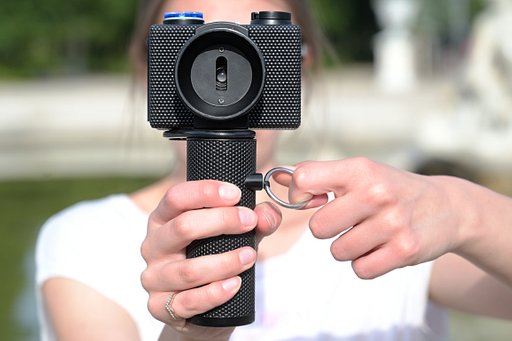
Create incredible 360-degree panoramic shots on 35 mm film with the pull of a cord.
-
Get to Know Lomography's Full Instant Camera Line-Up
written by macasaett on 2024-04-12 #gear
Browse Lomography's complete line of instant cameras with formats ranging from mini, square, and wide.
1 Share Tweet Most Popular Countries & Regions
- United States
- Germany
- United Kingdom
- Italy
- Spain
- Japan
- Russia
- France
- Malaysia
- Philippines
- Thailand
- Taiwan
- Brazil
- Canada
- Indonesia
- Singapore
- Netherlands
- Austria
- Portugal
- Turkey
- Australia
- Hong Kong
- China
- Ukraine
- Belgium
- Mexico
- Czech Republic
- Finland
- Poland
- Argentina
- Switzerland
- Chile
- Sweden
- Greece
- South Korea
- Slovakia
- New Zealand
- Denmark
- Hungary
- Ireland
- India
- Romania
- Belarus
- Iceland
- Peru
- Vietnam
- Bulgaria
- Norway
- Venezuela
- Croatia
-
CARRTOONS on Discovering Analogue Photography and Documenting his NPR Tiny Desk Performance with the Lomo'Instant Camera
written by eloffreno on 2024-04-18 #gear #culture #people #videos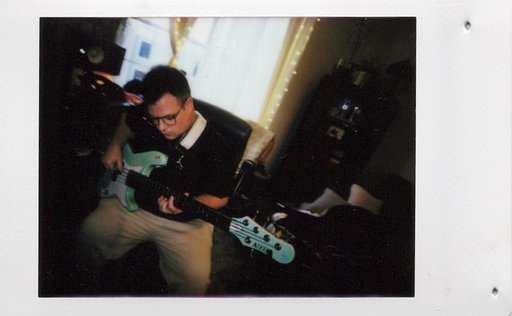
Ben Carr, also known as CARRTOONS, talks with us about finding inspiration in the lo-fi aesthetic, and his experience documenting his NPR Tiny Desk performance with the Lomo'Instant Automat Glass camera.
3 Share Tweet -
Shop News
Bundle Up and Save!

On the look for a great deal? In need for the perfect gift? Not sure what film to get with your camera? Worry not and discover our budget friendly bundles including sweet discounts and freebies for many different products! Don´t miss a great deal and check them out now!
-
Enjoy Summer on Film with the LomoApparat Fluffy Omelet Special Edition
written by aomschll on 2024-04-03 #gear #people
Thai artist Proei-Natchariya Laosrisin, also known as Fluffy Omelet, has designed a beach-themed new edition of our LomoApparat camera, perfect for capturing summer holidays on film. Check out the colorful camera and some photos taken by the artist!
2 7 Share Tweet -
Magda Kuca and Laertis Create a Trippy Music Video With the LomoKino
2024-04-15 #news #videos
UK-based visual artist Magda Kuca used the Lomokino to create this fantastic music video for musician Laertis, inspired by an infamous LSD-fuelled bike ride taken by Albert Hofmann in 1943.
1 3 Share Tweet -
What are the different photographic film formats?

The three main types of film format are 35 mm, medium format and large format. More unusual formats also exist such as 110 and 127.
-
Shop News
Lomo LC-Wide Camera
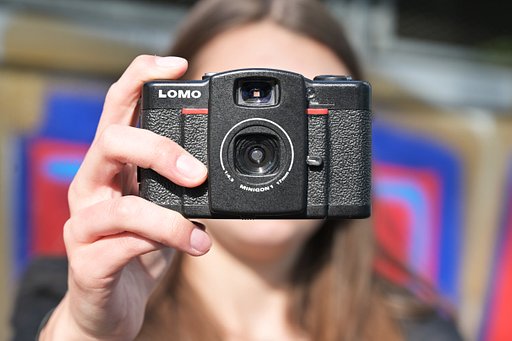
Capture the world in wonderfully wide-angle snap shots on 35mm film with the 17mm Minigon 1 Ultra-Wide-Angle lens and the Lomo LC-Wide!

Even More Interesting Things
-
Amp Puttipong's First Impressions of the Lomomatic 110 Camera
written by aomschll on 2024-04-02 #gear #people
Thai street photographer Amp Puttipong tests our brand new Lomomatic 110 camera. He makes full use of the Lomomatic’s many creative features, and rediscovers the charm of the 110 format. Check out his photos and read about his first impressions!
2 8 Share Tweet -
Shop News
Load up on Lomography Films!
Fuel your photographic life's journey with Lomography Films!
-
Lomography Newcomers: @fleurthesmar on the Art of Science and the Science of Art
written by macasaett on 2024-04-05 #people
Engineering and film photography make an unlikely but perfect analogue pair. In this edition of Lomography Newcomers, we meet @fleurthesmar and discuss how her background in the sciences has painted a vibrant and kaleidoscope-filled perspective on her creative practice.
1 Share Tweet -
What are the best techniques for taking multiple exposure photos?

Multiple exposures are one of the best ways to push your creativity with film photography. Here are a few techniques to help you take your photos to the next level.
Most Popular Cities
- London
- Berlin
- Bangkok
- Paris
- Moscow
- Barcelona
- New York
- Tokyo
- Vienna
- Madrid
- Singapore
- Istanbul
- Hong Kong
- Saint-Petersburg
- Amsterdam
- Taipei
- San Francisco
- Bandung
- Prague
- hong kong
- Rio de Janeiro
- Hamburg
- Toronto
- kuala lumpur
- jakarta
- Manila
- Los Angeles, CA
- Rome
- Buenos Aires
- Taipei City
- Melbourne
- Rostov-on-Don
- Budapest
- Seoul
- Beijing
- Sydney
- Manchester
- São Paulo
- Lisbon
- Shanghai
- Milano
- Honolulu
- Singapore
- Como
- Helsinki
- Vaasa
- Porto
- Chicago
- Kuala Lumpur
- Landshut
-
Lomography Community Recap: March 2024
written by bydenise on 2024-04-05 #people
Here's your monthly dose of the latest happenings in the Lomography Community! From popular LomoHomes to ongoing competitions and more, find out what the community has been up to in March.
1 11 Share Tweet -
Shop News
Digitalize Your Analog Wolrd with the DigitaLIZA Max

Take full control over the scanning of your 35mm, 120 and special format negatives using your smartphone or digital camera and the DigitaLIZA Max scanning kit!
-
Justino Blake’s Views From Lombok With Lomography Redscale Film
written by alexgray on 2024-04-18 #gear #people #places
In this interview we catch up with film photographer and perpetual traveler Justino Blake and he shares with us his atmospheric Lombok landscapes shot on Lomography Redscale film.
1 2 Share Tweet -
Shop News
Dreamy Bokeh With the New Petzval 55 MM F/1.7 Mkii
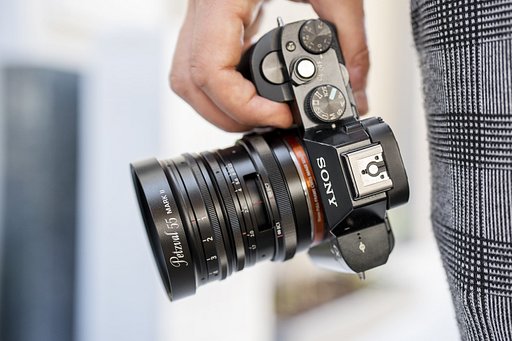
Jump outside of your comfort zone and take sensationally striking shots with the signature bokeh of the New Petzval 55 mm f/1.7 MKII! Available in Brass, Black Brass and Black Aluminium finish!
-
Jonathan Mok on His First Impressions of the Diana F+ and Love of 120 Film
written by eloffreno on 2024-04-11 #gear #culture #people #places
Jonathan Mok is a California-based photographer and creator with a knack for medium format photography. We knew the Diana F+ camera would be a perfect photographic companion for him!
1 6 Share Tweet -
What type of film camera is best for street photography?

Any film camera can be used for street photography and can give you excellent results. However the most popular are automatic point-and-shoots cameras.
-
Shop News
Capture More with the Naiad 15mm Art Lens!

An extraordinary ultra-wide-angle lens handcrafted specifically for the Neptune Convertible Art Lens System. Now with a free lens base for your Nikon or Canon (d)SLR camera!
-
Summon Mnemosyne: Capture Memories with the Special Edition Lomo'Instant Automat Camera From Thai Artist, Jarb.
written by aomschll on 2024-04-10 #gear #people
We have a chat with Jarb about his concept for this special edition Lomo'Instant Automat camera and discover his photos.
2 Share Tweet -
Eelco Wortman on Capturing the Beauty of Mundane Moments with the Atoll Ultra-Wide 2.8/17 Art Lens
written by kylavillena on 2024-04-04 #gear #people #videos
Life is made more beautiful by the trivialities that make us who we are – from our comfort foods to our favorite places. We chatted with Eelco Wortman about capturing life the way it is, and he shared his photos taken with the Atoll Ultra-Wide 2.8/17 Art Lens and Lomography Color Negative 800 film.
3 Share Tweet -
Capturing Women's Football on Film with Raiyan Rafiq and Harriet Duffy
written by rocket_fries0036 on 2024-04-17 #gear #culture #people
Raiyan and Harriet showcase their love for the beautiful game with their intimate and emotional snapshots of women's football on film, documenting scenes from the Euros, World Cup and Barclays Women’s Super League.
1 4 Share Tweet
Trending Photos




Even More Interesting Things
-
Shop News
Lomo LC-A+ 35 mm Film Camera

Conquer the world one iconic 35mm photo at a time with the camera that started it all, the Lomo LC-A+!
-
LomoChrome Color '92 Studio Portraiture with Christine Turek
written by alexa_alexiades on 2024-04-01 #gear #people
Montreal-based portrait photographer Christine Turek recently put our LomoChrome Color '92 film to the test for a studio portrait shoot. Her results did not disappoint!
7 Share Tweet -
What is a contact sheet?

A contact sheet is a printed photographic paper that includes on a single page all the photos taken on the roll.
-
Making a Moment: Book Labyrinth by @pmonroe
written by alexgray on 2024-04-16 #making-a-moment
In this edition of Making a Moment, Lomographer @pmonroe shares one of the first photos he ever uploaded to his LomoHome, which he took while exploring an old bookshop in Busan.
7 Share Tweet -
Shop News
Film Photography Day Deals are On!

In celebration of Film Photography Day there are tons of exclusive discounts and fab freebies available so shop now and enjoy sweet savings before it’s too late!
-
Event Recap: Diana F+ Workshop with Soho Photo Gallery
written by alexa_alexiades on 2024-04-10 #partners
For over a decade, Soho Photo Gallery has been hosting their Krappy Kamera competition, paying homage to plastic cameras and exhibiting extraordinary photographs made with lousy lenses. In true Lomography fashion, it has become our tradition to partner up with them in hosting a Diana F+ workshop.
3 6 Share Tweet -
In-Depth: Does Post-Production Belong in Film Photography?
written by eparrino on 2024-04-07 #in-depth
There is a strong debate around the subject of post-production and editing our analogue photos. Some believe in the purity of film photography while others consider editing an integral part of their work. Which side are you on?
11 12 Share Tweet Ongoing & Upcoming Events
- Capturing The Moment
- Charlie Phillips’ How Great Thou Art – 50 Years of African Caribbean Funerals in London
- Transformations: American Photographs from the 1970s
- ICP at 50
- David Seidner: Fragments, 1977–99
- First Came a Friendship: Sidney B. Felsen and the Artists at Gemini G.E.L.
- APPLY NOW: The Bridge – Real World Mentorship Program for emerging photographers
- Ellen Graham: Unscripted
- Gordon Parks: Born Black
- I’m a thousand different people–Every one is real
-
Six Ways to Use the Lomomatic 110 Camera
written by sylvann on 2024-04-10 #gear
It’s time to get your hands on our newest film camera, the Lomomatic 110! Perhaps you’re asking yourself, what to capture with this tiny pocket camera? Here's a quick guide to get you inspired!
7 Share Tweet -
Shop News
Drape the World in Glorious Silky Focus with the Daguerreotype Achromat 2.9/64 Art Lens!
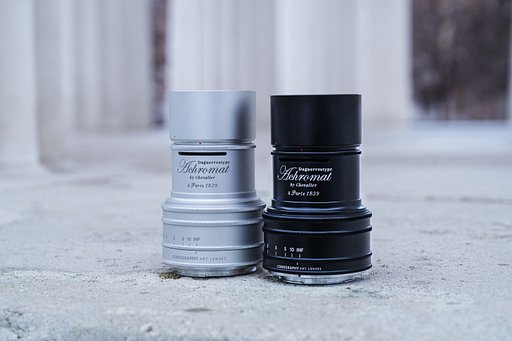
Create rich textured backgrounds and wrap your world in luminous soft focus with the Daguerreotype Achromat 2.9/64 Art Lens!
Looking to Partner With Lomography and Customize a Camera, Film or Art Lens?
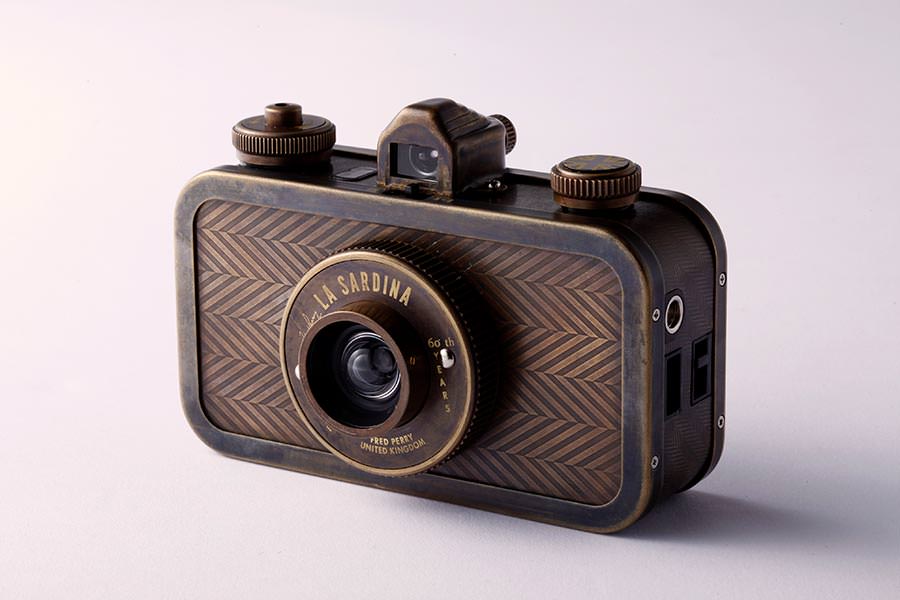
We have a proven track record of delivering corporate gifting and customization projects with leading companies across the Museum, Fashion, and Luxury sectors! Get in touch and let’s talk about your idea!
-
Multiple Exposures on LomoChrome Metropolis 120 Film by Architect Aitor Estévez
written by ludovicazen on 2024-04-15 #gear
Architectural photographer Aitor Estévez created these wonderful multiple exposures on our LomoChrome Metropolis 120 film. See the photos and read about his process here!
6 Share Tweet -
Shop News
Three Lenses in One – Nour Triplet v 2.0/64 Bokeh Control Art Lens

Ignite the legacy of a fascinating but forgotten scientist, Ibn al-Haytham, and become a master of light with this unique lens designed for spherical aberration control on full-frame mirrorless cameras. Shipping Live Now!
-
Recap: Penumbra Foundation's 2023 Intro to B&W Portraiture and the Darkroom for High School Students
written by eloffreno on 2024-04-03
This past summer our friends at Penumbra Foundation hosted another rendition of their annual summer workshop, "Intro to Black & White Portraiture and the Darkroom for High School Students". Students used our Lady Grey B&W film to produce portraits which they displayed in a final pop up exhibition.
4 Share Tweet -
Shop News
Four times the fun in every frame

Colorful and charismatic, this light-hearted beauty has four wide-angle lenses and shoots sequential images onto a single frame of film.